

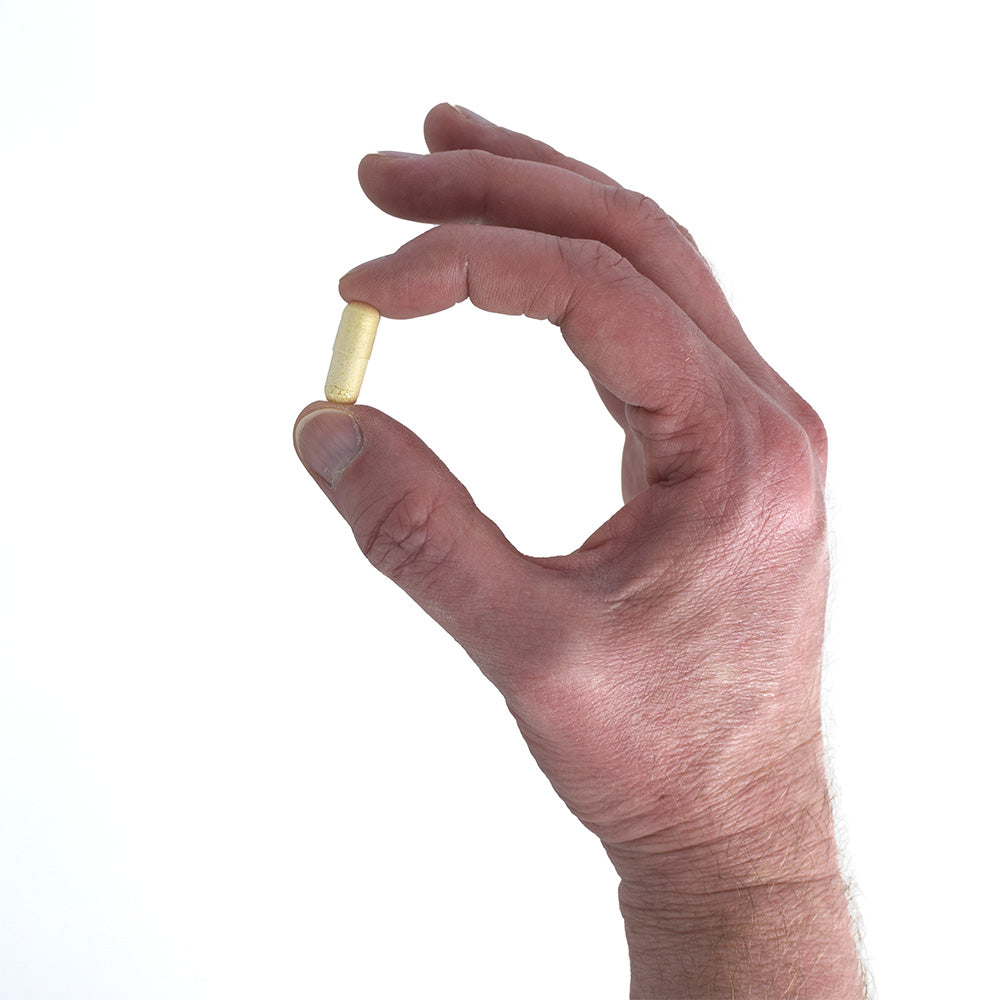
Can a probiotic actually lift your mood? The short, honest answer is: maybe a little, and the science is still early. Randomized trials suggest probiotics can produce a small reduction in low-mood scores, especially in people with diagnosed depression, but researchers agree we need larger, better studies. Flore calls probiotics built for the gut-brain connection neurobiome-directed interventions (NDIs), and frames them as everyday mood support, not medicine.
A wellness insight, not a diagnosis. NDIs support everyday mood, calm and focus. They do not diagnose, treat, cure, or prevent depression, anxiety, or any condition.
What a meta-analysis of randomized trials found
The strongest kind of evidence here comes from meta-analysis studies that pool randomized controlled trials. A 2016 meta-analysis in Nutrients combined five randomized controlled trials (365 participants) and found that probiotics significantly reduced depression-scale scores, with a mean difference of about −0.30. The effect was larger in people with major depressive disorder (about −0.73) than in healthy people.[1]
The cite-able version: A 2016 meta-analysis of 5 randomized controlled trials (365 people) found probiotics produced a small but significant drop in depression scores, larger in people with major depression. The authors called for larger, more rigorous trials.[1]
A broader 2020 review reached a similar tone: probiotics positively affected depressive symptoms in about 54% of the studies it examined, calling the results encouraging but preliminary given the small number of trials and their variability.[2]
Why the gut can touch your mood at all
The reason any of this is plausible is the gut-brain axis. Gut microbes produce molecules that act as neurotransmitters, including serotonin and GABA, and communicate with the brain along pathways such as the vagus nerve.[3] Serotonin is central to mood, and about 95% of the body's serotonin is produced in the gut.[4] None of this means a capsule rewires your mood, but it explains why the gut is a serious place to look.
The catch: strains and people differ
Every study above tested different strains, doses and durations, which is a big reason the results are mixed. Your gut is not the average of a study. Flore's answer is personalization: try a targeted NDI to feel the connection, then read your own gut data to build a formula matched to you.
Try The Bright One — $49 → Explore the Neurobiome Test →
Ready to move from a starter NDI to something built on your biology? The Neurobiome Test reads your at-home microbiome sample with the gut-brain axis in focus, then Flore builds your personalized formula (Test-to-Treat: $658.50 test-included / $564 bring-your-own-test).
Frequently asked questions
Can probiotics help your mood?
Possibly, but the science is early. A 2016 meta-analysis of randomized controlled trials found probiotics produced a small but statistically significant reduction in depression scores, with a larger effect in people diagnosed with major depression. The authors stressed that bigger, more rigorous trials are still needed.
How could a gut bacterium change how I feel?
Through the gut-brain axis. Gut microbes produce molecules that act as neurotransmitters, such as serotonin and GABA, and signals travel between gut and brain along pathways including the vagus nerve. About 95% of the body's serotonin is made in the gut.
Are probiotics an antidepressant?
No. Probiotics and Flore's NDIs are for everyday mood support, framed as structure-and-function, not as a drug. They do not treat, cure, or prevent depression or any condition. For a mood disorder, see a licensed clinician.
Which probiotic is best for mood?
Studies use many different strains, so there is no single proven answer. That is why Flore's Neurobiome Test reads your own gut data and builds a personalized formula, rather than assuming one shelf product fits everyone.
Sources
- Huang R, Wang K, Hu J. Effect of Probiotics on Depression: A Systematic Review and Meta-Analysis of Randomized Controlled Trials. Nutrients, 2016. PMC4997396
- Gambaro E, et al. "Gut-brain axis": Review of the role of the probiotics in anxiety and depressive disorders. Brain Behav, 2020. PMC7559609
- Carabotti M, et al. The gut-brain axis. Ann Gastroenterol, 2015. PMC4367209
- Serotonergic Mechanisms Regulating the GI Tract. Handb Exp Pharmacol, 2017. PMC5526216
Related: for the mood side specifically, read probiotics for depression and anxiety: the gut-brain research, honestly framed.
Not sure where to start with your gut?
Ask the Flore Microbiome Concierge — a guided, personalized walkthrough of testing, your results, and a formula matched to your goals.
Talk to the Concierge →Explore the neurobiome behind mood →
Related reading: Does the gut produce GABA? — how gut bacteria make the body’s main calming neurotransmitter — and does the gut produce dopamine?
Go deeper on GoodOnes: The Best Probiotic for Mood: The Gut-Brain Guide →