

Lactobacillus acidophilus is a species of lactic acid bacteria that naturally lives in the human gut and is one of the most common probiotics added to yogurt, fermented foods, and supplements. Its name is a clue to what it does: acidophilus means “acid-loving.” It ferments sugars like lactose into lactic acid, which lowers the pH of its surroundings, and it tolerates stomach acid and bile better than many other bacteria — which is part of why it’s such a popular probiotic. Here’s what L. acidophilus actually is, what the research does (and doesn’t) support, where to find it, and how it fits into a gut-health routine.
What is Lactobacillus acidophilus?
Lactobacillus acidophilus (often shortened to L. acidophilus or just “acidophilus”) is a Gram-positive, rod-shaped bacterium that does not form spores. It belongs to the broad group known as lactic acid bacteria — microbes that make lactic acid as they ferment carbohydrates. L. acidophilus was originally isolated from the human gastrointestinal tract, where it’s a normal resident, and it’s also found in the mouth and in many fermented foods.
Like other members of the Lactobacillus group, it’s widely used as a probiotic. The U.S. National Center for Complementary and Integrative Health (NCCIH) defines probiotics as “live microorganisms that are intended to have health benefits when consumed or applied to the body,” and notes that the most common probiotic bacteria belong to the groups called Lactobacillus and Bifidobacterium.
What does Lactobacillus acidophilus do?
Its defining trick is fermentation. L. acidophilus can use sugars such as glucose, fructose, lactose, and sucrose to produce lactic acid. That lactic acid lowers the pH of its environment, which research describes as inhibiting the growth and reproduction of some pathogenic (harmful) bacteria. In other words, by acidifying its neighborhood, it can make conditions less hospitable for certain unwanted microbes.
It’s also unusually hardy. Compared with many other probiotics, L. acidophilus has better resistance to both acid and bile salt — the two things that destroy most bacteria on the way through the stomach and small intestine. That acid and bile tolerance is one reason it’s a go-to species for probiotic products: more of it can survive the trip to where gut bacteria live.
Zooming out, your gut bacteria as a whole pull real weight in digestion. According to the NIH’s National Institute of Diabetes and Digestive and Kidney Diseases (NIDDK), “Bacteria in your GI tract, also called gut flora or microbiome, help with digestion,” including making some digestive enzymes and producing vitamin K. L. acidophilus is one species within that larger community.
What are the benefits of Lactobacillus acidophilus?
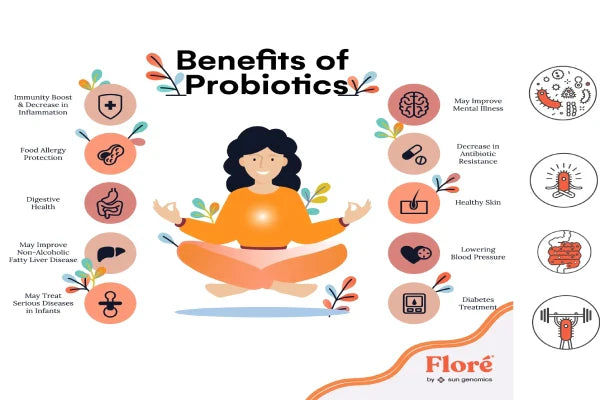
Here’s the honest version: probiotics are an active research area, and the evidence is genuinely mixed and strain-dependent. NCCIH puts it plainly — “Different types of probiotics may have different effects. For example, if a specific kind of Lactobacillus helps prevent an illness, that doesn’t necessarily mean that another kind of Lactobacillus... would do the same thing.” Even within the research on L. acidophilus specifically, reviewers note that while some studies report benefits, “a number of studies have shown the opposite effects.”
What the science does support is structural and functional: L. acidophilus is a live microbe that ferments sugars to lactic acid, lowers local pH, and survives acid and bile well. NCCIH’s general framing for probiotics is that they “might... help your body maintain a healthy community of microorganisms or help your body’s community of microorganisms return to a healthy condition after being disturbed.” That is the appropriate, evidence-grounded way to think about acidophilus — as a supporting player in your microbial community, not a cure for any condition. This article is educational and is not medical advice; talk to your healthcare provider before starting a supplement, especially if you have a weakened immune system or a serious illness.
Where is Lactobacillus acidophilus found?
You can get L. acidophilus and related Lactobacillus species from food and from supplements. NCCIH notes probiotics “can be found in yogurt and other fermented foods, dietary supplements, and beauty products.” Yogurt is one of the most well-known sources of Lactobacillus, and the group also turns up in fermented foods like kefir, sauerkraut, and kimchi. On supplement labels you’ll often see it written as “L. acidophilus” alongside a strain designation and a CFU (colony-forming unit) count.
Is Lactobacillus acidophilus safe?
For most healthy people, Lactobacillus probiotics from food and supplements are generally well tolerated. But probiotics aren’t risk-free for everyone: NCCIH warns that “cases of severe or fatal infections have been reported in premature infants who were given probiotics, and the U.S. Food and Drug Administration (FDA) has warned health care providers about this risk.” If you’re people with weakened immune systems, critically ill, or considering probiotics for an infant, talk to a clinician first.
Lactobacillus acidophilus and personalized probiotics
Because probiotic effects are so strain- and person-specific, a single named species like L. acidophilus on a label tells you only part of the story. Your gut already hosts a unique community of microbes, and which strains and prebiotics actually help you depends on what’s already there. That’s the idea behind a personalized formula: instead of guessing, you start from your own gut data. For more on the broader group this species belongs to, read our explainer on Lactobacillus probiotics, and on the difference between feeding and seeding your microbiome in prebiotics vs probiotics.
Sources
- NIH NCCIH — Probiotics: What You Need To Know. nccih.nih.gov
- NIH NIDDK — Your Digestive System & How It Works. niddk.nih.gov
- Gao H, et al. The Functional Roles of Lactobacillus acidophilus in Different Physiological and Pathological Processes. PMC9668099. pmc.ncbi.nlm.nih.gov
- Probiotic significance of Lactobacillus strains: a comprehensive review. PMC11591481. pmc.ncbi.nlm.nih.gov
Want a probiotic built from your actual gut data?
Flore builds a personalized probiotic + prebiotic formula from your stool test results, sequenced by a CLIA-certified partner lab.
Build a formula from your gut data →
Go deeper on GoodOnes: Probiotics After Antibiotics: Timing & Strains →
Not sure where to start with your gut?
Ask the Flore Microbiome Concierge — a guided, personalized walkthrough of testing, your results, and a formula matched to your goals.
Talk to the Concierge →