

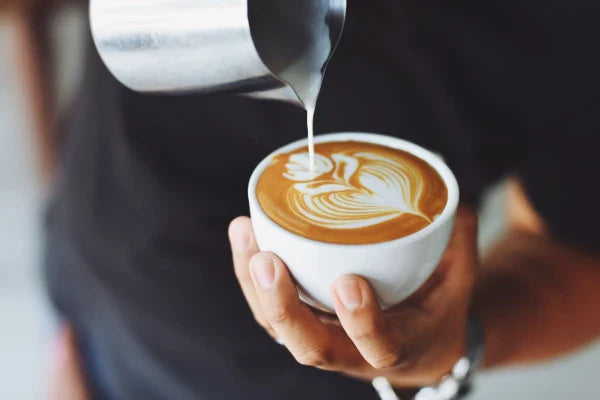
If a hot cup of coffee is a staple in your morning routine then it can be hard to imagine life without it. That sweet aroma just puts you in a good mood and helps you start your day off on the right foot!
The thing is, coffee and SIBO don't always play nice together. So if SIBO (aka small intestinal bacterial overgrowth) has reared its ugly head in your life, you may have noticed some pretty adverse side effects from drinking your morning coffee.
You frequent the bathroom more often than normal, your stomach's upset, and you're having a lot of abdominal discomfort. That leads you to this question: Is coffee bad for SIBO?
In this post, we'll take a look at how SIBO and coffee are related — including decaf and cold brew, timing, the milk and add-ins in your cup, and why hydrogen and methane SIBO react so differently. We'll give you all the information you need so you can decide for yourself if coffee has a place in your diet moving forward.
What Is SIBO?
SIBO stands for Small Intestinal Bacterial Overgrowth. It occurs when your small intestine becomes flooded with an overgrowth of one species of bacteria (hence the overgrowth part of SIBO's name). SIBO symptoms can include bloating, gas, stomach discomfort, and diarrhea.
If left untreated, it can contribute to skin issues like acne, osteoporosis, and may even lead to the development of kidney stones. Hypochlorhydria (aka low stomach acid) is the primary cause of SIBO. Low stomach acid allows for a plethora of bad microbes to colonize your small intestine. Since their symptoms are so similar, SIBO and IBS often get confused with each other. For help differentiating between the two, check out this post!
Guesswork only gets you so far. You can see what's actually living in your gut, and build from what's actually there.
How SIBO and Coffee Interact
First off, the reaction between SIBO and coffee is going to vary from person to person. You might experience symptoms that send you straight to the nearest bathroom and make you want to forgo your morning coffee, while a coworker with SIBO may be able to enjoy their morning cup of brew with no incident at all.
While coffee does contain antioxidants, its acidity may cause irritation that causes SIBO flare-ups. These can include abdominal discomfort and indigestion. Many people who drink coffee will tell you that it has a sort of laxative effect, meaning it can stimulate bowel movements and actually be beneficial if constipation is an issue for you (check out these natural stool softeners that can also help). Increased gut motility (i.e. speeding up digestion and stimulating bowel movements) can make things worse for you though if you already suffer from SIBO diarrhea.
Aside from acting as a sort of laxative, the caffeine in coffee may negatively impact adrenal function, which can result in brain fog, low energy, depressed mood, and a host of other symptoms. If you've ramped up on caffeine before, you already know it's not sleep-friendly at all. Caffeine consumption has caused many sleepless nights for a lot of people.
If you're under stress or have high anxiety while drinking coffee, caffeine can actually make things worse with your SIBO symptoms. It speeds up your heart rate, which can cause you to become more stressed. Stress weakens the immune system and disrupts gut motility, which no doubt affects SIBO and may lead to a flare-up of symptoms.
Timing Matters: Coffee on an Empty Stomach
When you drink your coffee may matter as much as whether you drink it. On a truly empty stomach first thing in the morning, coffee hits harder: there's no food to buffer its acidity, and the caffeine surge stimulates gut motility and stomach acid against an empty, sensitive system. For a lot of people with SIBO, that's the exact recipe for bloating, cramping, or an urgent trip to the bathroom.
Two simple adjustments help. First, eat something small and gentle before your cup, so the coffee isn't landing on bare stomach lining. Second, pay attention to whether the pain sits high under your right ribs rather than across your whole belly — that pattern can point to your gallbladder reacting to coffee rather than SIBO itself. We break that down in why your morning latte triggers pain under your right ribs.
Decaf and Cold Brew: Do They Help?
If coffee bothers your gut, it's worth knowing that not all coffee is equal.
- Decaf removes most of the caffeine, so it cuts the motility-and-jitters part of the equation. But decaf is still acidic and still nudges digestion, so it isn't automatically a free pass — some people do better on it, others notice little difference.
- Cold brew is typically lower in acidity than hot-brewed coffee because of how it's steeped, which is why some sensitive drinkers tolerate it better. The catch: cold brew is often more concentrated in caffeine, so if caffeine is your trigger, a small serving is wise.
- Lighter roasts vs. dark and low-acid bean blends are another lever worth testing. The only real way to know your personal threshold is to change one variable at a time and watch how your gut responds.
It's Often the Milk and Add-Ins, Not the Coffee
Plain black coffee is one thing; a sweetened latte is another. A surprising amount of "coffee" trouble in SIBO is actually about what goes in the cup — and much of it comes down to FODMAPs, the fermentable carbs that feed an overgrowth:
- Milk and cream carry lactose, a FODMAP that can drive gas and bloating if you're sensitive. A lactose-free or low-FODMAP milk often settles the issue.
- Certain plant milks. Oat milk and soy milk (from whole soybeans) can be high-FODMAP; almond milk (in modest amounts) and lactose-free dairy tend to be gentler.
- Sweeteners. Honey, agave, and sugar-alcohol syrups (sorbitol, xylitol, mannitol) are classic gut-irritants for SIBO. Even "sugar-free" flavored syrups can be the real culprit.
- Added fat. A milky, high-fat latte is also a strong trigger for gallbladder contraction, which can layer a second kind of upper-gut pain on top of any SIBO reaction.
Before you give up coffee entirely, try stripping it back to a small, plain cup and adding variables in one at a time. Often it's the oat-milk-and-syrup combination, not the espresso, that your gut is objecting to.
Hydrogen vs. Methane SIBO: Why Your Tolerance Differs
SIBO isn't one single thing, and that's a big reason two people react to coffee so differently. Breath testing generally sorts SIBO by the gas the overgrown microbes produce:
- Hydrogen-dominant SIBO tends to run toward diarrhea and urgency. Coffee's motility-boosting, laxative effect can make that worse — speeding up an already-fast gut.
- Methane-dominant SIBO (linked to methane-producing microbes, now often called IMO) tends toward constipation and slow transit. Here, coffee's stimulating effect is sometimes welcome, nudging a sluggish gut to move — though the acidity and add-ins can still cause trouble.
This is exactly why there's no universal answer to "is coffee bad for SIBO?" Your gas type, your add-ins, your timing, and your stomach acid all shape the response. Knowing which pattern you have — ideally from a breath test with your doctor — tells you far more than any blanket rule.
SIBO and Coffee Wrap Up
When it comes to SIBO and coffee, admittedly, there isn't a one size fits all explanation for how it will impact you individually. While some people may react adversely to coffee, that doesn't mean a bad reaction will happen to everyone.
If you feel like coffee may be causing you issues, try removing it from your diet for a little while then slowly reintroduce it — one variable at a time (caffeine, acidity, milk, sweetener, timing) — to see what's really behind the reaction. At that point, you should have your answer on whether or not your coffee is actually making your SIBO worse.
Coffee isn't the root cause of SIBO, though — the underlying bacterial imbalance is. That's where a personalized approach helps: Flore reads your own microbiome data and builds a capsule or powder formula from the strains your gut actually needs, working alongside your doctor's care rather than instead of it.
And if you do end up deciding to ditch your morning cup of joe, that doesn't mean you can't still enjoy a nice, refreshing drink to help you get your days started. Here are 7 gut-friendly coffee alternatives, including green tea, kombucha, and chicory root!
Not sure where to start with your gut?
Ask the Flore Microbiome Concierge — a guided, personalized walkthrough of testing, your results, and a formula matched to your goals.
Talk to the Concierge →Still symptomatic after changing your coffee habit? Yeast may be the missing piece — see how to test for Candida overgrowth.