

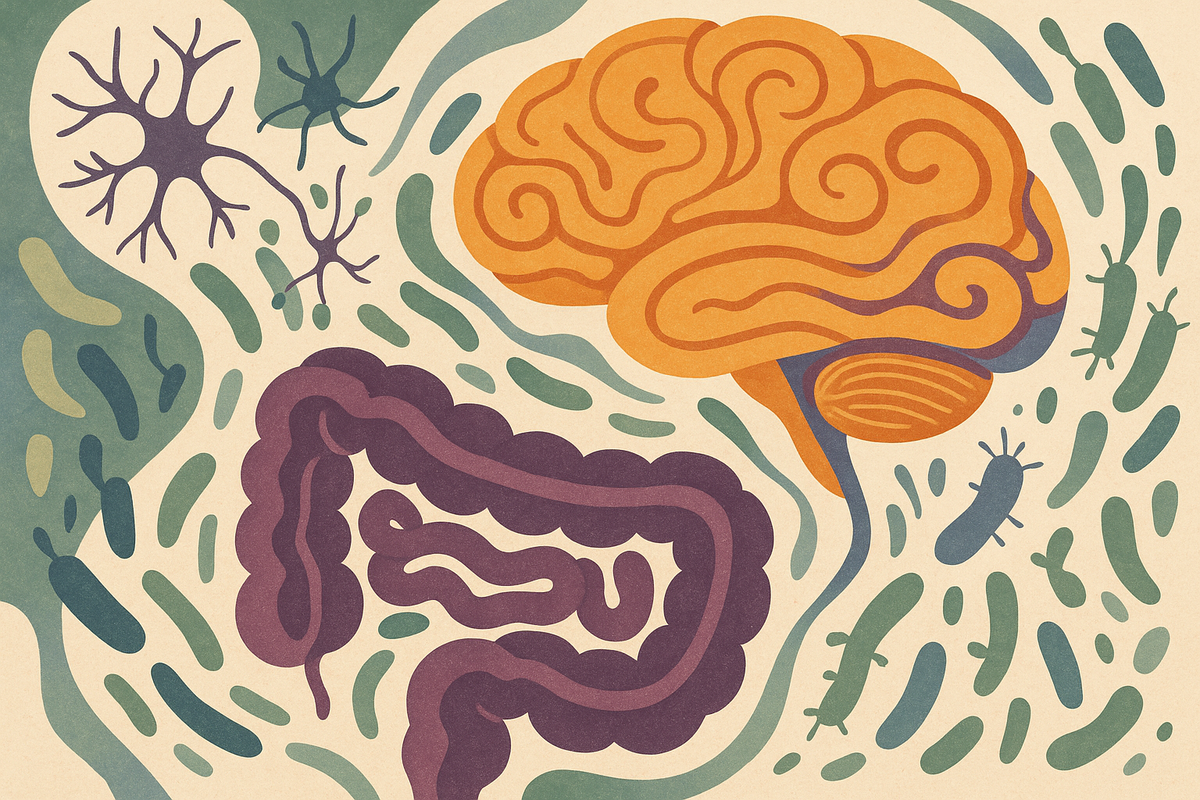
The relationship between our gut and brain is a complex and fascinating interplay that has garnered significant attention in recent years. Known as the gut-brain axis, this connection highlights how gut health can influence mood, sleep, and anxiety levels. While many consumers might assume that consuming probiotics in high doses is the key to improving mental health, emerging research suggests that the specific strains of probiotics chosen may actually be more crucial than the sheer number of colony-forming units (CFU). In this post, we will explore the significance of strain selection, focusing on Lactobacillus plantarum and Bifidobacterium longum, and how these strains impact the gut-brain axis compared to traditional high-CFU general probiotics.
The Gut-Brain Connection: An Overview
The gut-brain axis represents a bidirectional communication system between the gastrointestinal tract and the central nervous system. This connection is facilitated by various pathways, including neural, hormonal, and immunological routes. The gut microbiota, a diverse community of microorganisms residing in the intestines, plays a pivotal role in this axis. Research has shown that alterations in gut microbiota composition can influence brain function and behavior, underscoring the importance of maintaining a balanced gut ecosystem.
Why Strain Selection Trumps CFU Count
When it comes to probiotic supplementation, consumers are often drawn to products boasting high CFU counts, believing that more is better. However, the clinical literature suggests that the specific strains of probiotics are far more critical than the total CFU count. A high-CFU general probiotic may lack the targeted effects needed to influence the gut-brain axis effectively.
Understanding the Mechanisms
Probiotics exert their effects through various mechanisms, including the production of neurotransmitters, modulation of inflammation, and the regulation of gut permeability. Strains such as Lactobacillus plantarum have been shown to influence the GABA (gamma-aminobutyric acid) pathway, a key neurotransmitter involved in regulating mood and anxiety. In a study by Tillisch et al. (2013), participants who consumed a specific probiotic blend containing Lactobacillus strains reported improved mood and reduced anxiety levels, highlighting the importance of strain specificity.
Lactobacillus plantarum: A Case Study
Lactobacillus plantarum, a strain known for its effects on the GABA pathway, has shown promise in supporting mood regulation and anxiety reduction. GABA is an inhibitory neurotransmitter that plays a critical role in reducing neuronal excitability throughout the nervous system. By enhancing GABA signaling, Lactobacillus plantarum can contribute to a sense of calm and well-being.
Clinical Evidence Supporting This Strain
Research has demonstrated the potential of Lactobacillus plantarum in modulating mood and anxiety. In clinical studies, including the work by Tillisch et al. (2013), participants consuming this specific strain reported significant improvements in psychological well-being compared to those receiving a placebo. These findings underscore the importance of selecting the right probiotic strain for individuals seeking to enhance their mental health through gut health.
Bifidobacterium longum: Enhancing Neuroplasticity
Another strain of interest in the context of the gut-brain axis is Bifidobacterium longum. This strain has been linked to the modulation of brain-derived neurotrophic factor (BDNF), a protein essential for neuroplasticity, learning, and memory. Enhancing BDNF levels can improve cognitive function and emotional resilience, making Bifidobacterium longum a valuable addition to a targeted probiotic regimen.
The Role of BDNF in Mental Health
BDNF plays a critical role in the survival of existing neurons and the growth of new neurons and synapses. Research indicates that individuals with lower levels of BDNF may be at higher risk for mood disorders and cognitive decline. RCT evidence suggests that specific probiotics, such as Bifidobacterium longum, can positively influence BDNF levels, thereby supporting cognitive health and emotional well-being.
The Limitations of High-CFU General Probiotics
High-CFU general probiotics often claim to provide a broad range of benefits due to their sheer quantity of microorganisms. However, this approach may be misguided when it comes to supporting mental health. These products typically include a variety of strains without focusing on the specific mechanisms through which they operate. In contrast, a personalized Flore formula puts strain selection first.
Understanding Ecosystem Attenuation
Flore's personalized formulas favor ecosystem attenuation over raw CFU numbers. Each one is built from your results to support a balanced microbiota and the gut-brain connection, rather than relying on a high CFU count.
Single-Target Strain Picks: A Focused Approach
Species such as Lactobacillus plantarum and Bifidobacterium longum are among the most studied for the gut-brain axis. For a simpler start, GoodOnes offers targeted formulas for everyday mood and calm. For support built from your own data, Flore personalizes. Neither is a treatment for a mental health condition.
Personalized Probiotics for Optimal Results
Personalization in probiotics stands at the leading edge of modern gut health strategies. By choosing strains like Lactobacillus plantarum and Bifidobacterium longum, individuals can engage in a more focused approach to support mood, sleep, and anxiety. This is particularly important, as the gut microbiota's composition varies significantly among individuals, making a one-size-fits-all approach less effective.
Conclusion: Prioritizing Strain Over Quantity
The gut-brain axis is a complex network that underscores the importance of gut health in influencing mental well-being. As research continues to unveil the intricate connections between specific probiotic strains and brain function, it becomes increasingly evident that choosing the right strains can yield more significant benefits than merely focusing on CFU counts. Probiotics such as Lactobacillus plantarum and Bifidobacterium longum demonstrate the power of targeted approaches in supporting mood, sleep, and anxiety. As we move forward in our understanding of the gut-brain relationship, prioritizing strain selection will be key to harnessing the full potential of probiotics for mental health. By adopting an ecosystem-focused mindset, as exemplified by Flore's Precision blends and targeted strains, individuals can optimize their gut health and, in turn, their overall well-being.
Want a probiotic tuned to your ecosystem, not a CFU number?
Flore builds a personalized formula from your microbiome data — and GoodOnes for single-target picks.
Shop Flore →
Not sure where to start with your gut?
Ask the Flore Microbiome Concierge — a guided, personalized walkthrough of testing, your results, and a formula matched to your goals.
Talk to the Concierge →