

What does GABA do?
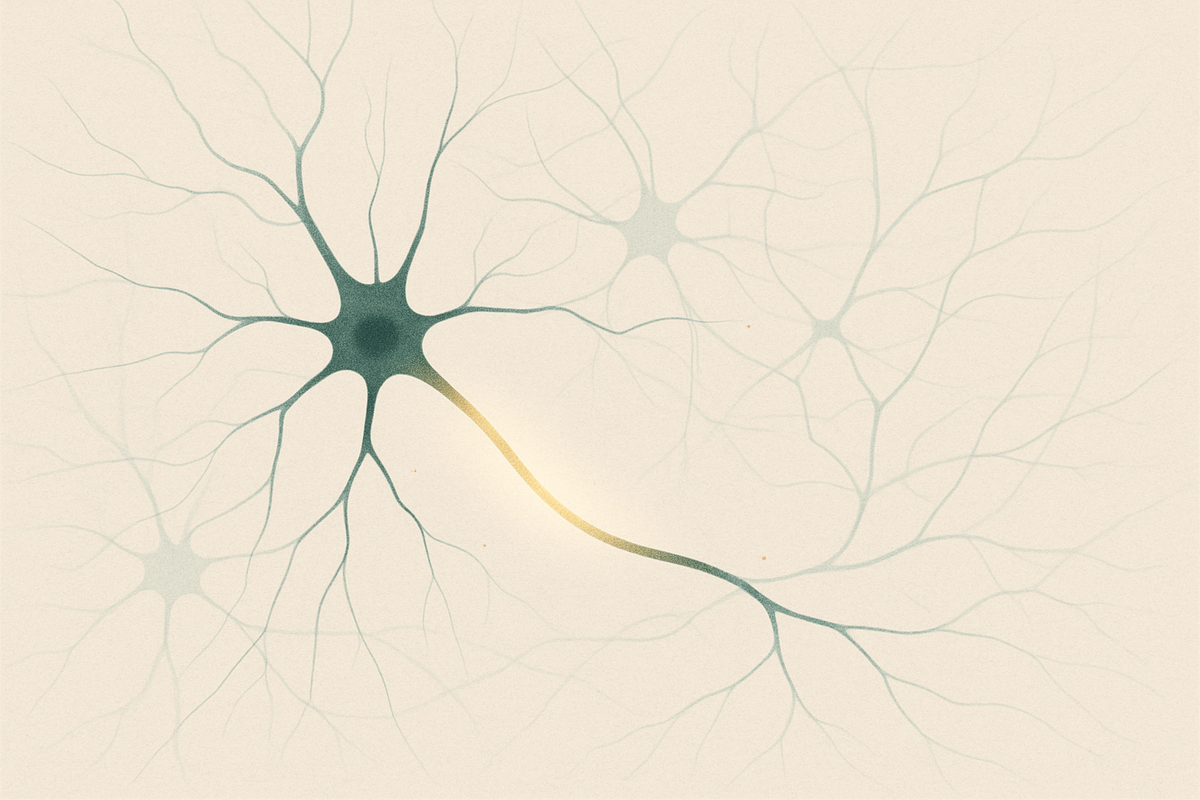
GABA (gamma-aminobutyric acid) is the primary inhibitory neurotransmitter in the central nervous system. Where glutamate is the accelerator, GABA is the brake — it dampens neuronal firing and is closely associated with the felt sense of being calm rather than wired. Low or dysregulated GABA signaling is a recurring theme in anxiety research, which is why a gut bacterium that can influence GABA is so interesting.
How does Lactobacillus raise GABA?
Several lactic-acid bacteria — most notably Levilactobacillus brevis and Lactiplantibacillus plantarum — carry glutamate decarboxylase (GAD), the enzyme that converts glutamate into GABA. This is a well-characterized pathway, used intentionally to enrich GABA in fermented foods [2]. In other words, these strains are small biological factories that can produce a calming molecule as part of their normal metabolism.
The study that put Lactobacillus and anxiety on the map
In a foundational 2011 experiment, researchers fed mice a Lactobacillus rhamnosus strain and saw reduced stress hormone, calmer behavior, and altered GABA-A and GABA-B receptor expression in mood-relevant brain regions. The decisive detail: when the vagus nerve was severed, the calming effect disappeared — proving the signal traveled up that specific nerve rather than through the bloodstream alone [1]. It remains one of the clearest demonstrations that a gut bacterium can reach the brain.
Why the strain on the label matters
Here's the part most "probiotics for anxiety" articles get wrong: the calming result above belongs to a particular strain, not to the species as a whole. Two supplements can both read "Lactobacillus plantarum" and behave nothing alike, because the studied effect lives at the strain level — below the species name. Choosing a neurobiome-directed intervention (NDI) for calm isn't about finding the word "Lactobacillus"; it's about knowing exactly which strain is inside and what was studied. Flore identifies strains by whole-genome sequencing for exactly this reason. Read the full NDI guide →
References
- Bravo JA, et al. Ingestion of Lactobacillus strain regulates emotional behavior and central GABA receptor expression in a mouse via the vagus nerve. PNAS. 2011;108(38):16050–16055. pnas.org
- Cui Y, et al. Biosynthesis of Gamma-Aminobutyric Acid (GABA) by Lactiplantibacillus plantarum in Fermented Food Production. ncbi.nlm.nih.gov
Related: before changing supplements, rule out the obvious: does caffeine cause anxiety?